

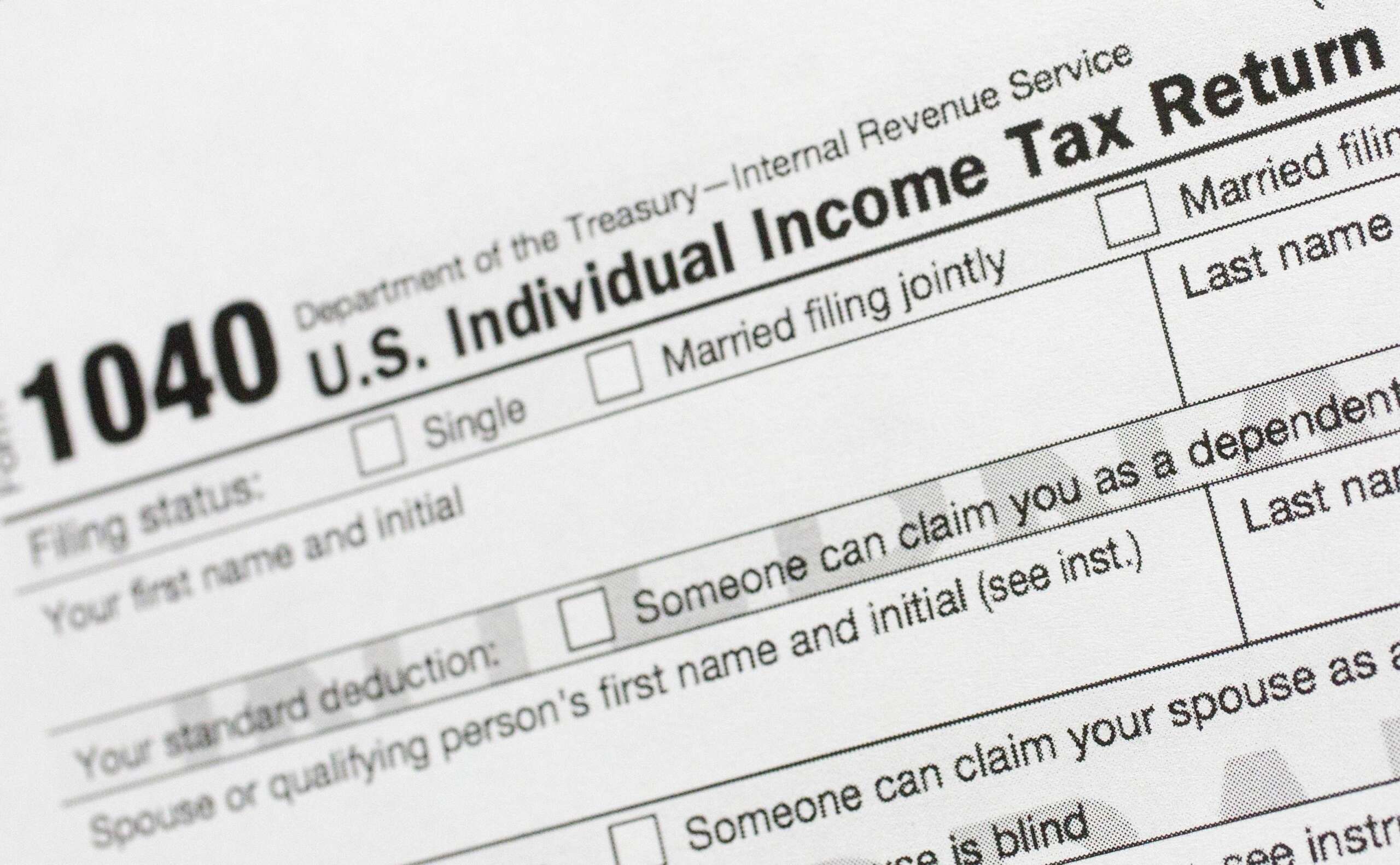
Treasury Department explores alternatives to suspended Direct File
Direct File expanded to 25 states during this year’s filing season and saw higher favorability scores.
Michele Sandiford
November 7, 2025 12:53 pm
< a min read
- The Treasury Department is officially suspending Direct File, a free, online tax filing platform the IRS launched last year. The department said it’s exploring alternatives. That includes strengthening its partnership with tax preparation companies through its Free File program. Direct File expanded to 25 states during this year’s filing season and saw higher favorability scores. But Treasury said the program cost too much and didn’t see enough usage to keep scaling it up. It said the IRS spent more than $40 million on Direct File this year. That breaks down to nearly $140 for every return submitted using Direct File.
- Senate Democrats are trying to stop reductions-in-force during the government shutdown once and for all. A new bill called the SAFE Act would undo all RIF-related actions that have happened since the shutdown began. The legislation would also bar additional RIFs from occurring during any future lapse in appropriations. The Democrats’ bill comes after more than 4,000 RIF notices went out to federal employees last month. Almost all of those layoffs are currently on hold due to a court order.
- More than 35,000 people applied to work at the U.S. Citizenship and Immigration Services since Sept. 30 under its Homeland Defender Campaign. USCIS said it has made hundreds of job offers and will begin onboarding the first Homeland Defenders soon. The agency said among those receiving offers are former law enforcement personnel and veterans with experience serving and protecting communities and the homeland. USCIS Homeland Defenders may be eligible for signing bonuses up to $50,000, student loan repayment, flexible duty locations and remote work options. USCIS is using an expedited hiring process for entry-level positions that do not require a college degree.
- Federal employees are experiencing disruptions in the workplace at a rate far higher than the national average. Close to one-third of federal employees say their workplace has been disrupted “to a very large extent.” That’s nearly triple the 10% of U.S. employees who say the same, according to the latest data from Gallup. The frequent disruptions in the workplace are leading to increases in stress and loneliness among federal employees, as well as a decline in employee engagement and satisfaction.
- Michael Payne, President Donald Trump’s nominee to lead the Pentagon’s Cost Assessment and Program Evaluation office, told lawmakers he would work to restore the office’s credibility by refocusing on CAPE’s statutory mission as an independent advisory rather than an advocacy organization. The office has faced scrutiny for operating beyond its statutory responsibilities. House lawmakers previously considered shutting down the office altogether. While the 2024 defense policy bill mandated the department to overhaul how the office operates, it has yet to implement those changes. Payne also said the office has been pushing some of its cost-estimation work to the military services due to its strained workforce.
- Feds anticipate more co-workers will call out sick as the shutdown drags on. A Federal News Network “pulse poll” taken over a 36-hour period earlier this week shows two-thirds of the 730 respondents say they believe more of their co-workers will call out sick more often if the lapse in appropriations continues deeper into November. The concept of a “sick-out” has been used by air traffic controllers and transportation security officers, but it hasn’t been widespread among other agencies. More than 43% of the respondents to the survey say they haven’t noticed more employees taking sick leave since the shutdown began. A majority of the respondents, however, did say as the shutdown continues, they are very or somewhat concerned about their personal finances.
- The Marine Corps has rolled out its enlistment bonuses for fiscal 2026, offering the biggest payout to recruits who sign up for specialized roles in cyber and electronics maintenance. The incentives aren’t limited to high-demand technical roles; the service is also offering shipping bonuses to recruits in any specialty who agree to leave for boot camp on the service’s schedule. Recruits who enter the electronics maintenance and cyber and cryptologic operations career fields could earn up to $15,000. Recruits across dozens of military specialties can also qualify for a $5,000 or $10,000 shipping bonus. The service is also offering $7,000 or $15,000 “targeted investment” bonuses for applicants willing to extend their enlistment contracts by one or two years.
- Federal employee unions are suing the Trump administration for including a new essay question on thousands of federal job applications. One of several new essay questions on job applications asks candidates how they would “advance the President’s executive orders and policy priorities,” and to name one or two executive orders significant to them. The unions claim the question allows the administration to weed out applicants who aren’t loyal to President Donald Trump’s policies. Guidance from the Office of Personnel Management states candidates aren’t required to respond to the essay question and that responses can’t be treated as a political litmus test. But candidates are still encouraged to answer the question.
]]>
Copyright
© 2025 Federal News Network. All rights reserved. This website is not intended for users located within the European Economic Area.
