

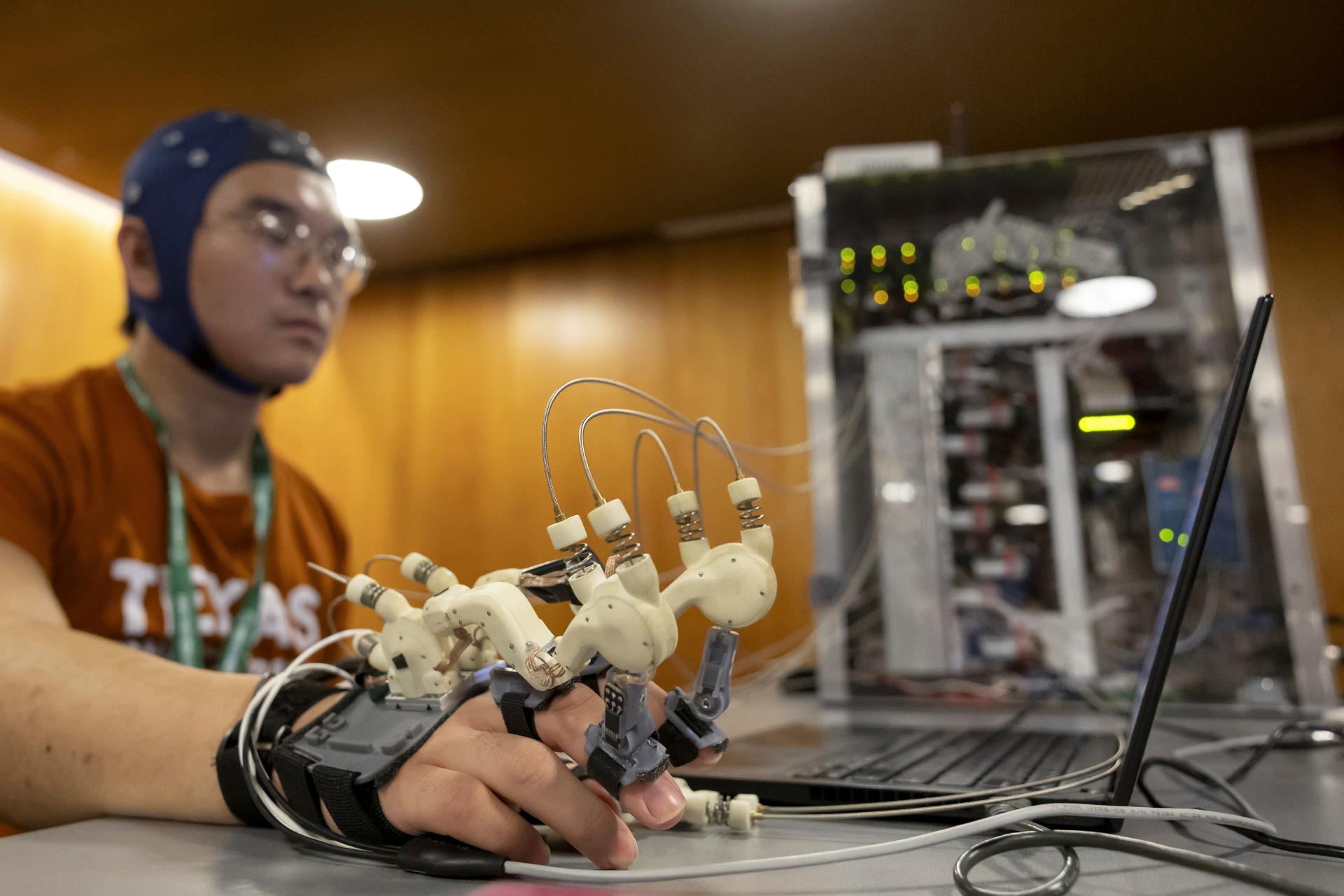
Technologies that connect neural implants with artificial intelligence, essentially melding humans and machines, have developed at a breakneck pace in recent years. These “brain-computer interfaces” will introduce a host of thorny privacy and regulatory issues that have only begun to be debated, The New York Times reports.
In an April in-depth piece for WPR, Roland Benedikter looked at how nations and multilateral institutions are beginning to consider regulating such technology. “Because of its ability to influence many other fields, neurotechnology is expected to drive radical societal change,” Benedikter wrote. “Given the increasing amount of global investment in neurotechnologies and the speed of recent breakthroughs—such as the completion of both the European Union’s Human Brain Project in March 2023 and the first mapping of human brain cells in the same year—many global multilateral and civil society organizations are calling for the adoption of common ethical standards for the field, both private and public.”
Read more:
